Productive Warehousing Solutions for Your Business Needs
Streamlined warehouse solutions constitute a vital element of contemporary business operations. They impact accuracy of inventory, lead times, and overall productivity. Companies progressively adopt next-generation technologies to strengthen their storage capabilities. However, the implementation of such technologies differs significantly. Understanding the nuances can lead to substantial enhancements. What particular strategies and technologies could transform a warehouse into an efficient powerhouse? Exploring these dimensions provides valuable insights.
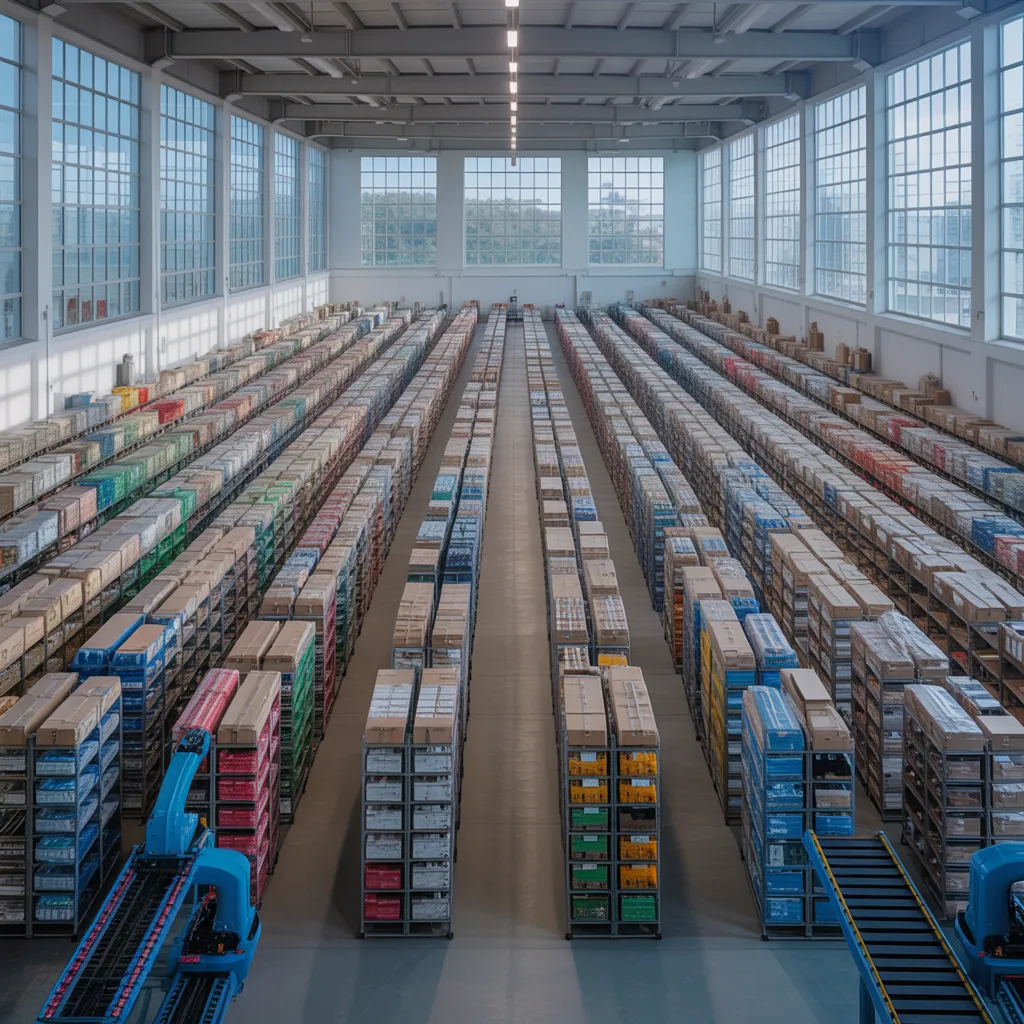
The Significance of Efficient Warehousing Solutions
Effective warehousing is essential for strengthening supply chain operations. A carefully structured warehouse can significantly shape a business's capacity to meet customer demands without delay. By reducing lead times and preventing errors, efficient warehousing provides confidence that products are quickly accessed and stored, thereby enhancing overall productivity. Refined processes also facilitate better inventory management, enabling companies to keep peak stock levels and reduce excess inventory costs.
Furthermore, an well-organized storage solution can enhance worker output by minimizing unnecessary movements and streamlining routine operations. This leads to a more secure workplace and a increasingly engaged team. Additionally, streamlined storage management supports improved strategic choices through precise information gathering and evaluation, enabling companies to act quickly to market fluctuations. Ultimately, the significance of optimized storage systems cannot be understated, as they serve as the backbone for a responsive and agile supply chain, promoting expansion and competitive advantage in today's fast-paced market.
Critical Solutions for Productive Warehousing
Technological improvements function as a critical element in optimizing warehousing operations. Robotic technologies, such as robotic picking and sorting, enhance speed and precision, lowering labor costs and mistakes. Warehouse Management Systems (WMS) enable real-time tracking of inventory, enabling superior planning and enhanced order fulfillment.
In addition, Internet of Things (IoT) devices track equipment and inventory conditions, presenting key information that contributes to proactive maintenance and inventory management. Additionally, artificial intelligence (AI) algorithms scrutinize trends in warehouse operations, making possible smarter space utilization and demand forecasting.
Optimizing processes through these technologies minimizes operational delays and enhances overall efficiency. By implementing these key technologies, businesses can create a more agile and flexible warehousing environment, ultimately leading to improved customer contentment and increased profitability. The ongoing evolution of technology keeps shaping the prospects of warehousing, rendering it an vital consideration for any contemporary enterprise.
Premier Inventory Management Solutions for Operational Excellence
Effective stock oversight is indispensable for maximizing warehouse efficiency. Approaches such as instant stock updates, the ABC ranking method, and the positive outcomes of regular stock verification can greatly enhance work efficiency. Deploying these solutions allows enterprises to optimize inventory amounts and improve order accuracy.
Real-Time Stock Monitoring
Real-time inventory tracking has become an critical component of modern warehousing, enabling companies to preserve precise stock levels and optimize operations. This system allows companies to monitor inventory movements immediately, minimizing the risk of stock inconsistencies and overstock situations. By combining software solutions with barcode scanning or RFID systems, businesses can obtain immediate insights into their inventory status. This feature not only enhances order fulfillment accuracy but also boosts customer satisfaction by ensuring product availability. Additionally, real-time tracking aids in detecting slow-moving items, allowing for improved inventory turnover. As a result, companies can take informed decisions regarding restocking and resource allocation, ultimately leading to increased efficiency and cost savings in warehouse management.
ABC Categorization Strategy
While many inventory management techniques exist, the ABC Analysis Strategy distinguishes itself as a effective tool for enhancing warehouse performance. This method divides inventory into three groups: A, B, and C. 'A' items are the highest value but the smallest quantity, requiring close monitoring and management. 'B' items are of medium value and quantity, while 'C' items have the least value and the highest quantity, allowing for more relaxed oversight. By allocating resources according to these categories, businesses can allocate time and attention more effectively, making sure that critical items are always in stock while minimizing excess inventory. This strategic approach leads to reduced carrying costs and improved overall operational efficiency, making it crucial for effective warehouse management.
Cycle Counting Merits
Cycle counting serves as a vital inventory management practice that greatly boosts warehouse efficiency. This process involves regularly counting a segment of inventory items, allowing businesses to maintain accurate stock records without the interruption of full inventory audits. By detecting discrepancies in real-time, companies can resolve issues quickly, reducing the risk of stockouts or overstock situations. Additionally, cycle counting encourages accountability among staff, fostering a culture of accuracy and responsibility. It also optimizes operations, as employees can focus on bite-sized inventory counts rather than overwhelming inventory assessments. Ultimately, cycle counting not only enhances inventory accuracy but also optimizes resource allocation, leading to cost savings and enhanced overall productivity in warehouse management.
Streamlining Warehouse Processes With Mechanized Systems
Automation revolutionizes warehouse processes by strengthening operational efficiency and correctness. By integrating modern innovations such as automation systems, automated storage and retrieval systems, and artificial intelligence, organizations can markedly lower manual labor and reduce performance errors. These systems streamline material management, allowing for real-time supervision and faster order fulfillment.
Automated technology promotes streamlined workflows, as tasks like selection, packing, and shipping can be conducted with negligible lag. Additionally, automation enables fact-based decision-making, furnishing perspectives into stock positions and operational output. This brings about improved inventory turnover rates and lower holding fees.
Furthermore, intelligent automation can adapt to evolving requirements, guaranteeing that warehouses stay agile in a fast-paced industry. As a consequence, companies can improve client contentment through quicker shipping speeds. Ultimately, embracing automation in storage operations not only optimizes operations but also positions enterprises for future growth and competitiveness in the industry.
Effective Warehouse Layout Solutions for Space Optimization
Optimizing the warehouse space is vital for improving efficiency and productivity because a strategically planned layout can greatly improve operational flow. Effective warehouse layout strategies rely on several key principles. First, the use of a grid system facilitates organized storage with easy navigation and retrieval. Second, a zone-based layout makes sure that frequently accessed items are located closer to shipping areas, cutting down staff travel time.
Vertical space utilization is another vital aspect; using shelving and racking systems can substantially expand storage capacity without increasing the warehouse footprint. Additionally, clear signage and designated pathways can improve safety and expedite operations.
Deploying innovative tools, such as warehouse management systems, supports monitoring inventory and maximizing space allocation. By leveraging these methods, businesses can build a more streamlined warehouse environment, ultimately enabling heightened productivity and lower operational costs.
Searching for the Ideal Warehouse Services to Suit Your Enterprise?
How can a business identify the most suitable warehouse solutions to meet its unique needs? The process starts with a comprehensive assessment of operational requirements, including inventory capacity, kinds of products, and order fulfillment approaches. Companies should consider their growth forecasts and periodic variations to guarantee scalability.
Next, assessing location is vital; closeness to suppliers and customers can greatly influence logistics efficiency. The selection of technological and automation solutions is also essential, as these can enhance productivity and accuracy in inventory management.
Additionally, examining different warehouse types—such as public, private, and shared—can generate insights into financial efficiency and elasticity. Finally, partnering with logistics experts or consultants can present bespoke recommendations based on industry best practices. By carefully studying these factors, businesses can secure warehouse solutions that complement their operational goals and optimize overall efficiency.
Frequently Posed Questions
What Ways Can I Evaluate My Existing Warehouse Efficiency?
To assess current warehouse efficiency, one should analyze key performance indicators, explore the details perform time and motion studies, review layout and operations, collect employee feedback, and compare against industry standards to identify areas for improvement.
What Are the Common Mistakes in Warehousing to Prevent?
Common pitfalls in warehousing include deficient merchandise oversight, poor warehouse design, minimal employee training, failing to implement technology integration, and not tracking key performance indicators. Addressing these difficulties can markedly improve process effectiveness and reduce costs.
In What Ways Do Seasonal Fluctuations Influence Warehousing Solutions?
Seasonal demands considerably determine warehousing options by mandating versatile storage systems, robust inventory management, and strategic distribution strategies. Businesses must adapt their procedures to respond to dynamic consumer needs and optimize area efficiency throughout variable demand periods.
What Costs Accompany Improving Warehouse Technology?
Upgrading warehouse technology involves multiple costs, including hardware and software expenses, installation fees, staff training, maintenance, and potential downtime during the changeover. These expenditures, however, can improve efficiency and long-term operational effectiveness.
Will Smaller Companies Find Value in Advanced Warehousing Solutions?
Yes, small enterprises can greatly benefit from advanced warehousing solutions. These systems improve inventory management, enhance operational efficiency, and lower expenses, thereby allowing smaller enterprises to compete more effectively in the marketplace.